
The Complete Guide to House Power Washing for First-Time Homeowners
Your home’s exterior takes a beating year-round. Rain, wind, pollen, mold spores, and plain old dirt slowly accumulate on your siding, driveway, and deck—making even a well-maintained home look tired and neglected. For first-time homeowners, understanding how and when to power wash your home’s exterior can be the difference between a house that turns heads and one that quietly loses value.
Power washing (also called pressure washing) uses a high-pressure stream of water to remove built-up grime, mold, mildew, algae, and stains from exterior surfaces. Done correctly, it’s one of the most cost-effective ways to maintain your home and boost curb appeal. Done incorrectly, it can damage siding, strip paint, and send water into places it was never meant to go.
This guide walks you through everything you need to know—from spotting the signs that your home needs a wash to choosing the right equipment, staying safe, and avoiding the costly mistakes that trip up first-time homeowners.
How to Tell When Your Home Needs Power Washing
Not sure if your home is due for a wash? Your exterior will usually tell you. Here are the most common signs to watch for:
Dark streaks or stains on siding: These are often caused by algae or mold and tend to appear on shaded or north-facing walls that retain moisture.
Green or black patches: Moss, algae, and mildew thrive in damp conditions. Left untreated, they can degrade your siding over time.
Chalky or faded paint: Oxidation causes exterior paint to develop a powdery residue, which traps dirt and dulls your home’s appearance.
Grimy driveways and walkways: Oil stains, tire marks, and ingrained dirt are not just unsightly—they can become slipping hazards.
Clogged or stained gutters: Dirt and organic matter on gutters are a clear signal that other exterior surfaces likely need attention too.
As a general rule, most homes benefit from a thorough power wash once a year. Homes surrounded by trees, in humid climates, or with older siding may need washing more frequently.
Equipment Overview: Professional-Grade vs. Consumer Models
Walk into any hardware store and you’ll find a range of pressure washers at varying price points. Understanding the difference between consumer and professional-grade equipment will help you make an informed decision.
Consumer-Grade Pressure Washers
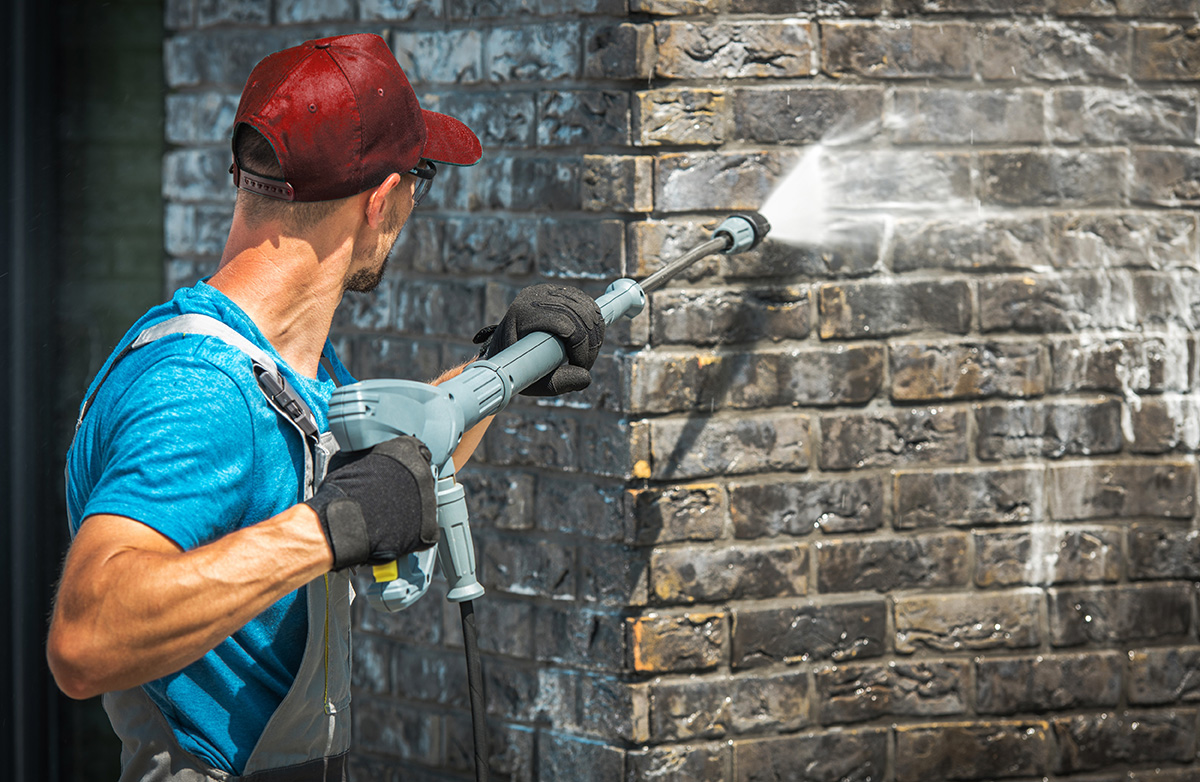
Consumer models typically operate between 1,300 and 2,400 PSI (pounds per square inch). They’re suitable for lighter tasks like cleaning patio furniture, small decks, and cars. Electric models are quieter and easier to maintain, while gas-powered options offer more pressure for tougher jobs. Expect to pay anywhere from $100 to $400 for a reliable consumer unit.
Best for: Driveways, patios, fences, and vehicles.
Professional-Grade Pressure Washers
Professional equipment operates at 3,000 PSI and above, with flow rates that clean surfaces faster and more thoroughly. These machines are typically gas-powered and require training to use safely. Renting professional-grade equipment is an option, but without experience, the risk of damaging delicate surfaces increases significantly.
Best for: Full home exteriors, concrete, brick, and high-reach areas.
For most first-time homeowners, a mid-range consumer washer works well for routine maintenance. For a full exterior wash, especially on two-story homes or homes with delicate materials, professional services are the safer and often more economical choice.
Step-by-Step Safety Guide
Power washing looks straightforward, but the high-pressure water stream can cause serious injury and property damage if you’re not careful. Before you start, follow these essential safety steps.
Protect Your Landscaping
High-pressure water and cleaning detergents can damage or kill plants. Before washing:
- Cover shrubs, flower beds, and garden areas with tarps or plastic sheeting.
- Pre-soak surrounding plants with plain water to dilute any detergent runoff.
- Rinse plants thoroughly after washing to remove residual cleaning solution.
Secure Electrical Outlets and Fixtures
Water and electricity are a dangerous combination. Take these precautions:
- Cover all outdoor electrical outlets with waterproof covers or plastic bags secured with tape.
- Turn off power to exterior outlets at the breaker panel while washing.
- Keep the spray nozzle well away from light fixtures, outlets, and HVAC units.
Protect Your Windows
Glass and window seals are vulnerable to high-pressure water. Direct spray can crack older glass, force water behind frames, and damage caulking. Use a wider spray angle (40 degrees or more) when working near windows, and keep the nozzle at least 12 inches away. If your windows have visible gaps in the caulking, seal them before washing.
Wear Appropriate Gear
Non-slip boots, safety glasses, and waterproof gloves are a must. The pressure from these machines is strong enough to break skin, so never point the nozzle at people, pets, or yourself.
Why Professional Expertise Matters
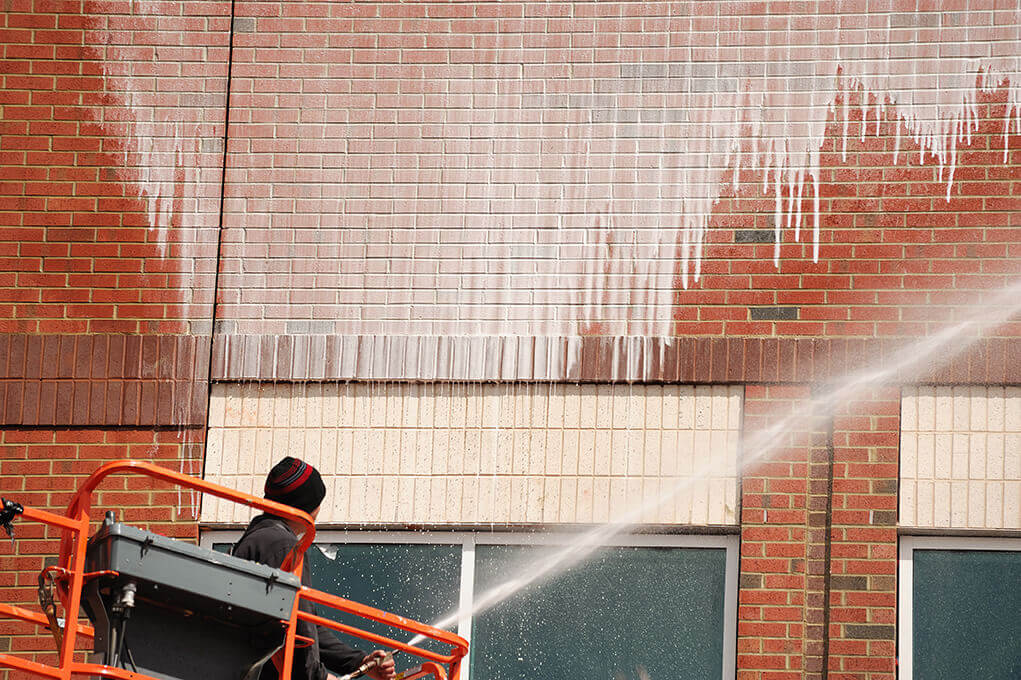
There’s a reason professional exterior cleaning companies stay busy—experience counts for a lot when it comes to protecting a home’s surfaces. Dan’s Window Cleaning specializes in exterior cleaning services that go beyond what a standard pressure washer can achieve. Their team understands the right pressure settings for different materials, the correct detergents for specific stains, and the techniques that clean thoroughly without causing damage.
For first-time homeowners especially, a professional consultation can save thousands in avoidable repairs. Dan’s Window Cleaning offers expert assessments to identify the safest and most effective cleaning approach for your specific home exterior—whether it’s vinyl siding, wood, brick, or stucco. Rather than guessing your way through a potentially costly process, their team brings the right tools, knowledge, and attention to detail to get the job done right.
Common Mistakes First-Time Homeowners Make
Even with the best intentions, first-time homeowners often make avoidable errors that lead to expensive repairs. Here’s what to watch out for:
Using Excessive Pressure
It’s tempting to blast away dirt with the highest setting, but this is the most common and damaging mistake. Applying too much force can gouge wood surfaces, crack vinyl siding, and etch brick. It can also strip protective paint and sealant, leaving your exterior vulnerable. Worse, high pressure can force water behind siding panels and into wall cavities, creating a perfect environment for mold and rot. Always start with the lowest pressure setting and gradually increase it only if necessary.
Holding the Nozzle Too Close
Getting up close might seem like a good way to tackle stubborn stains, but it concentrates the water jet into a small, powerful stream that can cause significant damage. A safe and effective distance is typically between 12 and 18 inches from the surface.
Skipping the Right Detergent
Water alone often isn’t enough to break down stubborn contaminants like mold, mildew, algae, or oil stains. Using a cleaning solution specifically designed for your home’s surface material is crucial. Apply the detergent and let it sit for the recommended time (usually 5–10 minutes) before rinsing.
Washing in the Wrong Direction
Always spray at a downward angle. Spraying upward can drive water underneath siding panels, trapping moisture and leading to mold and structural damage.
Ignoring Overhangs and Fascia
Gutters, soffits, and fascia boards accumulate dirt just like walls. Ignoring them can lead to streaks and undo your cleaning efforts after the next rain.
Being Too Aggressive with Wood Surfaces
Wood is softer and more vulnerable than vinyl or brick. High pressure can raise the grain and create splintered surfaces. A soft wash approach with low pressure is usually the better option.
Seasonal Maintenance Schedule
Staying on top of exterior maintenance is much easier with a consistent schedule. Here’s a simple framework:
Spring
Ideal for a full exterior wash. Removes winter grime and sets a clean baseline.
Summer
Spot-clean high-traffic areas and monitor shaded spots for algae growth.
Fall
Clear gutters and wash driveways after leaves fall to prevent stains and slipping hazards.
Winter
Avoid washing in freezing temperatures. Focus on inspection and sealing instead.
Ready to Give Your Home the Care It Deserves?
A clean exterior isn’t just about appearances—it’s about protecting one of the largest investments you’ll ever make. Regular power washing prevents long-term damage from mold, moisture, and grime, and keeps your home looking sharp for years to come.
If you’re tackling a full exterior wash for the first time, consider reaching out to the professionals at Dan’s Window Cleaning. Their expertise can help you avoid costly mistakes and ensure your home gets the safe, thorough clean it deserves.
https://www.google.com/maps?cid=15329728092816842314