
Pressure Washing for Different Surfaces: What Homeowners Should Know
Your home’s exterior takes a beating year-round. Rain, dirt, mold, algae, and UV exposure gradually wear down surfaces—and most of it happens so slowly that homeowners don’t notice until the damage is already done. Pressure washing is one of the most effective ways to reverse that buildup, restore your home’s appearance, and protect surfaces from long-term deterioration.
But here’s the thing: not all surfaces are created equal. What works brilliantly on a concrete driveway can splinter wood, strip paint, or crack brick if applied incorrectly. For homeowners thinking about tackling exterior cleaning themselves—or hiring a professional—understanding how pressure washing works across different materials is essential.
This guide covers everything you need to know: the difference between pressure washing and soft washing, how to approach specific surfaces, the most common DIY mistakes to avoid, and when it makes sense to call in the experts at Dan’s Window Cleaning.
Pressure Washing vs. Soft Washing: What’s the Difference?
These two terms are often used interchangeably, but they describe very different techniques.
Pressure washing uses high-powered water jets—typically between 1,300 and 3,100 PSI—to blast away dirt, grime, and stains. It’s effective on hard, durable surfaces like concrete and brick, where the force of the water does most of the work.
Soft washing uses significantly lower water pressure (under 500 PSI) combined with specialized cleaning solutions to break down organic matter like mold, algae, and mildew. The solution does the heavy lifting, not the pressure. This method is ideal for delicate surfaces such as wood, vinyl siding, and roofing.
Choosing the wrong method for a given surface is one of the most common and costly mistakes homeowners make. A pressure washer set too high on a wooden deck doesn’t just clean it—it can gouge the wood, force water beneath the surface, and accelerate rot.
A Surface-by-Surface Guide to Pressure Washing
Concrete Driveways and Pathways
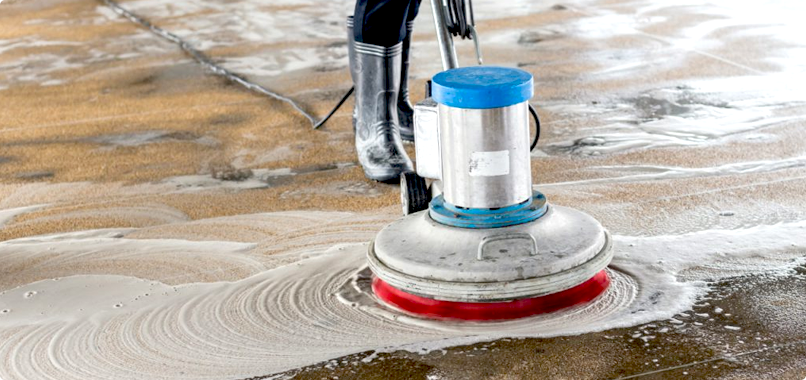
Concrete is one of the most forgiving surfaces when it comes to pressure washing. Its density can handle high PSI without damage, making it a great candidate for a thorough clean. Driveways, sidewalks, and patios accumulate motor oil stains, tire marks, algae, and general grime—all of which respond well to pressure wash cleaning.
Best approach: Use a pressure washer at 2,000–3,000 PSI with a 25-degree nozzle. For stubborn oil stains, apply a degreaser beforehand and let it sit before washing. Maintain consistent distance (around 6–12 inches from the surface) to avoid streaking.
Watch out for: Older or damaged concrete with existing cracks. High pressure can widen those cracks over time.
Wood Decks and Fences
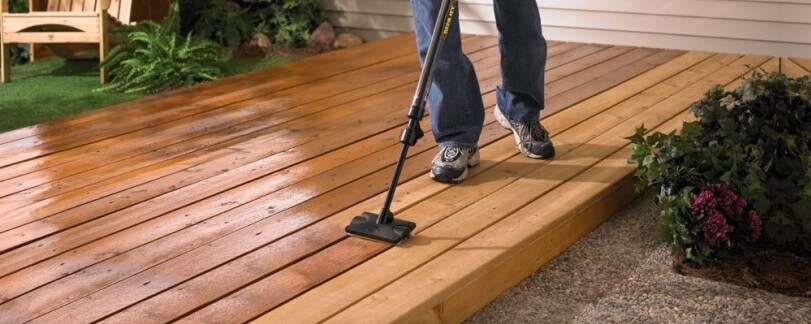
Wood requires a more careful touch. Excessive pressure can raise the grain, leave visible streaks, or push water deep into the wood—creating the perfect conditions for rot and mold to take hold below the surface.
Best approach: Keep PSI between 500–1,200 and use a wide-angle nozzle (40 degrees or more). Always spray in the direction of the wood grain, and avoid holding the wand too close to the surface. After washing, allow the wood to dry fully before applying any sealant or stain.
Watch out for: Soft or aging wood. If the surface is already weathered or showing signs of rot, pressure washing can accelerate the damage. Soft washing or professional cleaning may be the safer option here.
Brick and Masonry
Brick looks tough, but the mortar between individual bricks is often older and more fragile than it appears. High-pressure water can erode mortar joints, loosen bricks, and drive moisture deep into the wall cavity—leading to internal water damage and potential mold growth.
Best approach: Use moderate pressure (around 1,500 PSI) with a 25-degree nozzle, and keep the stream moving at all times. Avoid dwelling on any single spot for too long. A pH-neutral cleaner can help lift organic staining without damaging the masonry.
Watch out for: Older homes where the mortar may already be crumbling. If you notice soft or missing mortar, repointing should happen before any washing takes place.
Vinyl Siding
Vinyl siding is one of the most popular exterior cladding options, and it cleans up well with the right technique. The main risks are forcing water up behind the panels (which can cause moisture damage to the wall sheathing beneath) and using too much pressure, which can crack or warp the siding.
Best approach: Soft washing is generally the preferred method for vinyl. A low-pressure rinse with a gentle, house-appropriate detergent will remove mold, mildew, and grime without risking structural damage. Always spray downward to avoid driving water up behind the panels.
Watch out for: Spraying at an upward angle, which is the single most common error when washing siding.
Common DIY Pressure Washing Mistakes
Even with the best intentions, homeowners frequently make mistakes that turn a simple cleaning job into an expensive repair. Here are the ones that come up most often:
- Using too much pressure. More power isn’t always better. Matching the PSI to the surface is crucial.
- Skipping the pre-treatment. Jumping straight to washing without applying a cleaner first often means the water just pushes grime around rather than removing it.
- Holding the nozzle too close. At high pressure, even a few inches make a big difference. Getting too close can etch concrete, gouge wood, or crack siding.
- Washing in the wrong direction. Always work with the grain on wood and downward on siding. Washing against the natural direction of a surface can force water into gaps and joints.
- Ignoring surface condition. Pressure washing a deteriorating surface speeds up its breakdown. If a surface needs repair, clean it after—not before.
- Neglecting safety gear. High-pressure water causes serious injuries. Eye protection, non-slip footwear, and keeping bystanders clear are non-negotiable.
Safety Precautions and Essential Equipment
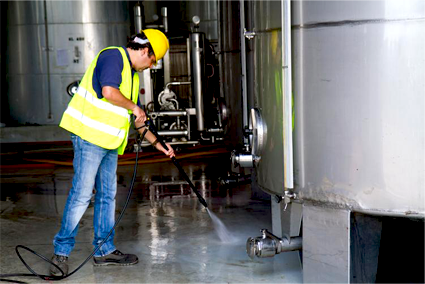
Pressure washing looks straightforward, but the equipment involved is genuinely hazardous if mishandled. Water at 3,000 PSI can cause deep lacerations, and the force generated by a gas-powered machine can knock a person off a ladder.
Safety basics every homeowner should follow:
- Always wear eye protection and closed-toe shoes with good grip
- Never point the wand at people, pets, or windows
- Use a safety lock on the trigger when not actively washing
- Stand on stable ground—avoid using a pressure washer at height on an unsecured ladder
- Turn off the machine before changing nozzles
Key equipment to understand:
- PSI (pounds per square inch): Measures pressure output. Higher PSI = more force.
- GPM (gallons per minute): Measures water flow. Higher GPM = more cleaning coverage.
- Nozzle angles: Color-coded nozzles indicate spray angle. A 0-degree (red) nozzle delivers maximum pressure in a pinpoint stream—use it sparingly or not at all on most home surfaces. A 40-degree (white) or 65-degree (black) nozzle is far safer for general use.
How Professional Services Like Dan’s Window Cleaning Protect Your Home
Hiring a professional cleaning service isn’t just about convenience—it’s about protecting a significant investment. Experienced technicians like the team at Dan’s Window Cleaning have the equipment, expertise, and knowledge to match the right method to each surface on your property.
Professional services typically offer:
- Thorough surface assessments: Before starting any cleaning, a professional will conduct a detailed evaluation of your property. This allows them to identify pre-existing damage, note areas that need special attention (like aging mortar or delicate trim), and develop the safest, most effective cleaning plan.
- Advanced commercial-grade equipment: Professionals use high-quality, powerful machines that are far superior to consumer models. Their equipment is precisely calibrated to adjust pressure, temperature, and flow rate to match the specific demands of any surface, from porous concrete to fragile wood.
- Specialized and appropriate cleaning agents: One cleaning solution doesn’t fit all. Professionals have access to a range of industry-approved, eco-friendly detergents and degreasers designed for specific materials. This ensures a deep clean without the risk of stripping paint, harming delicate materials, or voiding your home’s manufacturer warranties.
- Full insurance and liability coverage: Reputable companies carry comprehensive insurance. This gives you complete peace of mind, knowing that in the unlikely event of accidental damage to your property, you are fully protected and won’t be held financially responsible.
For homeowners with mixed exteriors—think concrete driveways, wood decks, brick walls, and vinyl siding all on the same property—a professional service eliminates the guesswork and ensures every surface gets the right treatment.
Seasonal Maintenance Tips to Improve Curb Appeal
Pressure washing shouldn’t be a once-a-decade task. Building it into your regular home maintenance schedule extends the life of exterior surfaces and keeps your property looking sharp year-round.
- Spring: Wash away winter salt, grime, and organic buildup from driveways, walkways, and siding before it has a chance to stain or settle.
- Summer: Spot-clean patios, decks, and outdoor furniture to prepare for entertaining. Check for mold growth in shaded areas.
- Fall: Clear driveways and paths of leaf stains and biological growth before wet weather sets in. Clean gutters and downspouts to prevent overflow staining on walls and fascia.
- Winter: Avoid high-pressure washing in freezing temperatures. Water forced into cracks and pores can freeze and expand, causing surface damage.
A general rule of thumb: most exterior surfaces benefit from a thorough clean once or twice per year, with touch-ups as needed between seasons.
Give Your Home the Care It Deserves
Pressure washing is one of the most effective maintenance tools a homeowner has—but only when done correctly. The wrong pressure, technique, or equipment on the wrong surface can cause irreversible damage that far outweighs the cost of a professional cleaning. A DIY attempt might seem like a cost-saver, but etching concrete, stripping paint, or splintering wood can lead to expensive repairs.
For homeowners who want a flawless clean without the risk, Dan’s Window Cleaning offers professional exterior cleaning services tailored to the specific needs of your home. From tough concrete driveways to delicate vinyl siding, their team brings the right expertise and equipment to every surface, ensuring a perfect result every time. Don’t gamble with your home’s exterior—trust the experts to get the job done right.
https://www.google.com/maps?cid=15329728092816842314