
What Happens When You Skip Regular Gutter Cleaning?
Gutters are easy to ignore—they sit quietly along your roofline, doing their job without asking for much attention. But when something goes wrong, it’s often too late. By the time most homeowners notice a problem like a leak or overflow, the damage has already begun.
Neglecting your gutters is one of the quickest ways to incur preventable home repair costs. What starts as a simple buildup of leaves, twigs, and debris can rapidly escalate into serious issues like foundation cracks, flooded basements, rotting wood siding, and even pest infestations. The repair bills for these problems can easily run into the thousands—all because of a maintenance task that was pushed aside.
This guide will break down exactly what happens when gutter cleaning gets neglected. We’ll explore the risks in detail and explain why staying on top of this simple chore is one of the smartest and most cost-effective investments you can make for your home.
Why Gutters Matter More Than You Think
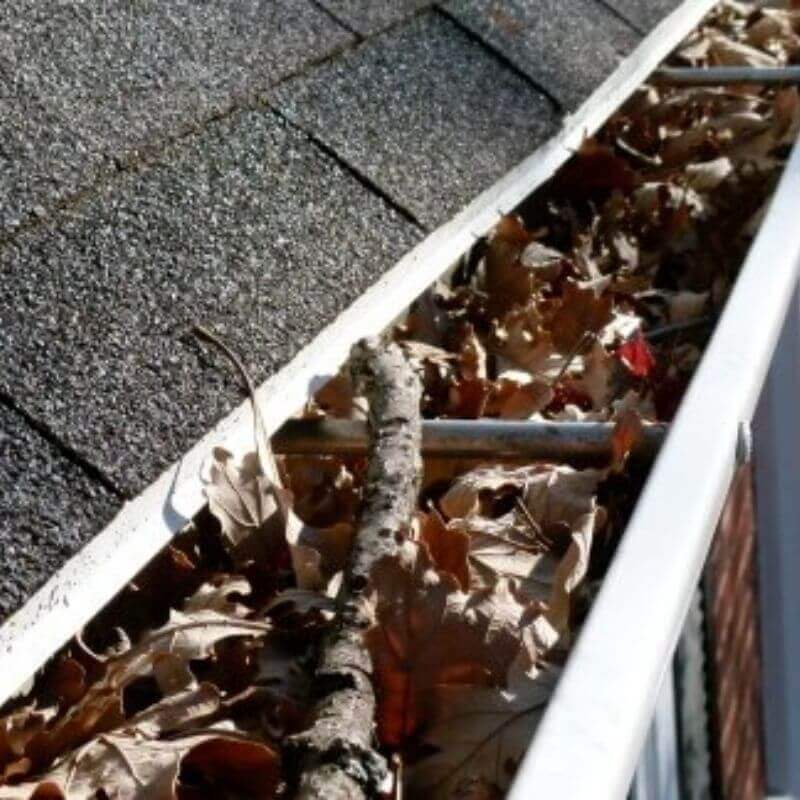
Gutters have a single, crucial job: to safely channel rainwater away from your home’s structure. When they are clean and functioning as intended, they are your first line of defense, protecting your roof, siding, foundation, and even your landscaping from the damaging effects of water. But when they become clogged with leaves, twigs, and other debris, water can no longer flow freely. This blockage forces water to find other escape routes, often leading it into places where it can cause significant harm.
To put it into perspective, consider that the average American home has between 100 and 200 linear feet of guttering. During a moderate one-inch rainfall event, a 1,000-square-foot roof will shed approximately 600 gallons of water. All of that water needs a clear path to follow. A clogged gutter system doesn’t just slow down drainage; it actively redirects this immense volume of water, potentially compromising the structural integrity of your entire house by sending it cascading down walls, pooling at the foundation, or seeping into the roof.
The Structural Risks of Overflowing Gutters
One of the most serious consequences of blocked gutters is foundation damage. When gutters overflow, water pools around the base of your home rather than draining safely away. Over time, this saturates the soil, creates hydrostatic pressure against your foundation walls, and can cause cracking, shifting, or full-scale structural failure.
Foundation repairs are among the most expensive home fixes you’ll ever face. Depending on the extent of the damage, costs can range from a few thousand dollars to well over $30,000. Compare that to the cost of routine gutter cleaning, and the math makes a compelling case on its own.
Fascia boards—the wooden boards that support your gutters—are also vulnerable. Persistent moisture from overflowing gutters causes them to rot, weaken, and eventually fail. When fascia boards go, the gutters themselves can detach from the home, creating both a safety hazard and an expensive repair job.
Water Damage to Siding, Windows, and Exterior Paint
Overflowing water doesn’t just fall straight down. It runs along exterior surfaces, seeping into gaps, cracks, and seams along the way. This leads to:
Damaged Siding: When water continuously spills over your gutters, it can seep behind your home’s siding. This infiltration leads to unsightly warping, swelling, and eventually rot. Wood and fiber cement siding are especially susceptible to this type of moisture damage, compromising both the appearance and structural integrity of your home’s exterior.
Deteriorating Windows: Persistent moisture from overflowing gutters often pools around window frames. This constant dampness can cause wooden frames to rot, break down seals, and lead to fogging between panes. Over time, this deterioration can result in drafts and leaks that bring the water damage inside your home.
Peeling and Blistering Paint: Your home’s exterior paint is its first line of defense against the elements, but it’s not designed to withstand a constant cascade of water. Overflowing gutters keep your walls wet, causing the paint to peel, blister, and crack prematurely. This not only looks bad but also leaves the underlying material exposed, necessitating expensive and frequent repainting.
These issues compound over time. A small amount of moisture that goes unaddressed one season can cause significant structural and cosmetic damage by the next.
Pests and Infestations: An Uninvited Consequence
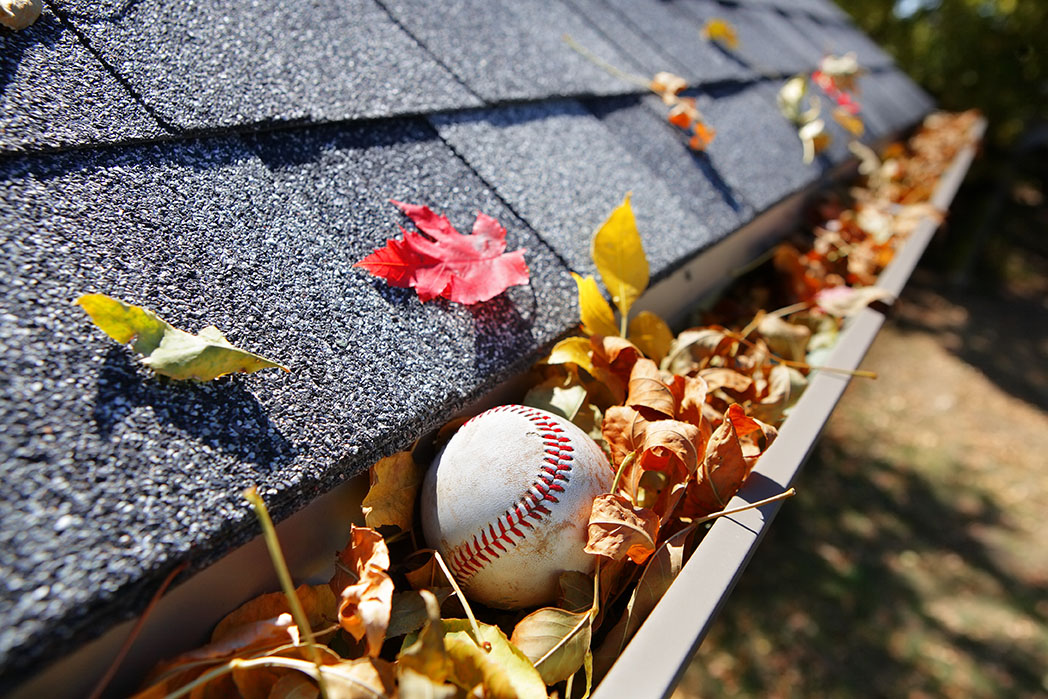
Clogged gutters create an ideal habitat for pests. Decomposing leaves, standing water, and compacted debris are attractive nesting environments for mosquitoes, ants, cockroaches, and even rodents.
Mosquitoes, in particular, breed in standing water—and a blocked gutter holds exactly that. Just a half-inch of stagnant water is enough for mosquito larvae to thrive. If your gutters are full of debris and regularly collect water, you could be inadvertently breeding mosquitoes right outside your home.
Rodents and birds may also take advantage of debris-filled gutters as sheltered nesting sites. Once pests establish a presence near your roofline, they often find their way inside—through gaps in soffits, roof edges, and fascia boards. At that point, you’re dealing with both a pest problem and a potential structural one.
Mold and Mildew Growth Inside the Home
Exterior water damage rarely stays exterior. When moisture penetrates siding, window frames, or roof edges due to gutter overflow, it creates damp conditions within your walls and attic—prime conditions for mold and mildew growth.
Mold doesn’t need much to get started. A small amount of consistent moisture in a poorly ventilated space is enough. Once it takes hold, it spreads quickly through insulation, drywall, and framing materials. Beyond the structural damage, mold poses serious health risks, including respiratory problems, allergic reactions, and aggravated asthma symptoms.
Mold remediation is both expensive and disruptive. Depending on the extent of the growth, it can involve tearing out walls, replacing insulation, and treating large areas of framing—all costs that dwarf what routine gutter maintenance would have required.
Landscape Erosion and Basement Flooding
The impact of overflowing gutters extends beyond the home itself. When water cascades over the sides of blocked gutters, it falls directly onto your landscaping, eroding soil, displacing mulch, and killing plants. Garden beds near the foundation are particularly vulnerable, as repeated saturation changes the soil composition and drainage patterns.
Basement flooding is another serious risk. As water pools around the foundation and saturates the soil, it can find its way through cracks, window wells, and drainage points into your basement. Even a small amount of water intrusion can cause significant damage to flooring, walls, stored belongings, and any mechanical systems housed below ground.
Chronic basement moisture also contributes to mold growth and can compromise the structural integrity of the foundation over time—bringing the problem full circle back to the most expensive category of home repairs.
The Long-Term Cost of Neglect
It’s worth putting the financial picture into perspective. Gutter cleaning is a routine, affordable service. Skipping it to save money in the short term tends to result in far greater expenses down the line.
Consider the potential repair costs associated with neglected gutters:
- Foundation repair: $5,000–$30,000+
- Basement waterproofing: $3,000–$10,000
- Mold remediation: $1,500–$15,000
- Fascia and soffit replacement: $1,000–$3,000
- Exterior repainting: $2,000–$6,000
- Pest extermination: $300–$3,000+
A single season of neglect won’t necessarily trigger all of these issues, but the risk accumulates with each passing year. Regular cleaning eliminates that risk entirely.
How Professional Gutter Maintenance Protects Your Home
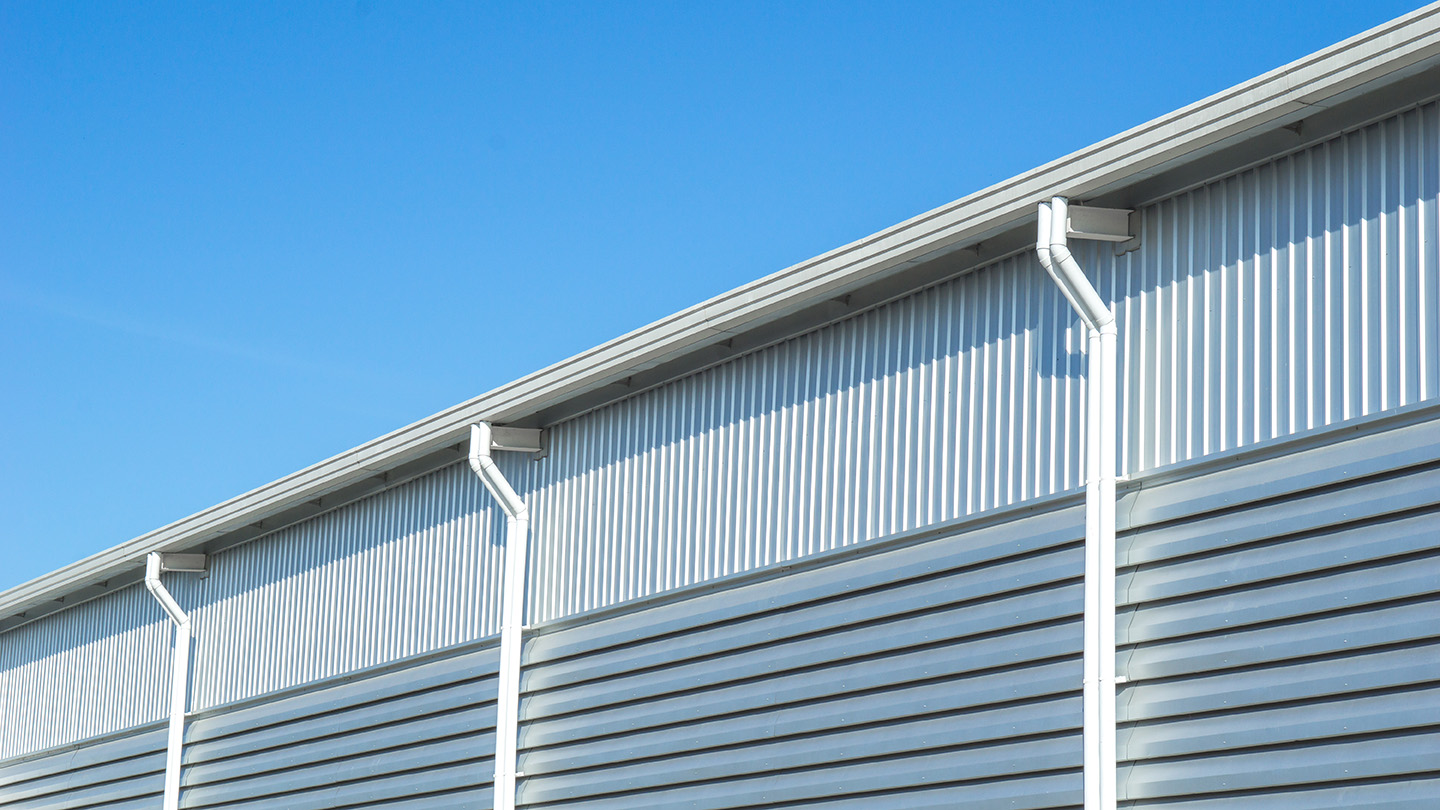
Cleaning gutters yourself is possible, but it comes with limitations. It requires the right equipment, an understanding of what to look for, and the ability to work safely at height. Professional gutter cleaning services go beyond simply clearing debris—they inspect for early signs of damage, check that gutters are properly pitched, ensure downspouts are clear and directing water away from the foundation, and identify any repairs needed before they become costly problems.
Dan’s Window Cleaning offers professional gutter maintenance services designed to keep your home protected year-round. With an experienced team, the right tools, and a thorough approach, Dan’s Window Cleaning helps homeowners stay ahead of the issues that lead to expensive repairs. Regular service from a trusted professional means you’re not just cleaning gutters—you’re extending their lifespan, protecting your home’s structure, and avoiding the cascading damage that blocked gutters cause.
Most experts recommend cleaning gutters at least twice a year: once in late spring after tree pollen and seeds have settled, and again in late autumn after the majority of leaves have fallen. Homes surrounded by large trees may benefit from more frequent service.
Protect Your Home Before Problems Start
Gutter maintenance rarely feels urgent—until it does. The damage caused by neglected gutters builds gradually, often invisible until it becomes expensive and disruptive to fix. Foundation cracks, mold behind walls, rotting fascia boards, basement flooding: none of these announce themselves early. By the time they do, the cost of inaction far exceeds what consistent maintenance would have required.
The solution is straightforward. Schedule regular professional gutter cleaning, keep an eye on your gutters after heavy rain or storms, and address any issues promptly. A small, consistent investment in maintenance protects a much larger one—your home.
Ready to get your gutters cleaned by professionals who do it right? Contact Dan’s Window Cleaning to book a service and keep your home protected from the top down.
https://www.google.com/maps?cid=15329728092816842314