
Window Screen Cleaning Tips to Improve Airflow and Indoor Comfort
While most homeowners diligently clean their floors, countertops, and windows, the screens are often forgotten. This oversight might seem small, but it can significantly impact your home’s environment. Dirty window screens act as a filter, trapping layers of dust, pollen, and outdoor debris that obstruct your home’s natural ventilation. Over time, this buildup forces your HVAC system to work overtime to maintain a comfortable temperature, leading to higher energy bills and a noticeable decline in your indoor air quality—all happening silently in the background.
The good news is that cleaning your window screens is a simple, cost-effective project that delivers immediate benefits by improving airflow and indoor comfort. This comprehensive guide will walk you through everything you need to know for pristine screens. We’ll cover how to remove them without causing damage, what cleaning solutions work best for different types of grime, and how to recognize when a screen needs professional attention or replacement. By following these steps, you’ll be able to keep your screens clean and functional throughout the year, ensuring your home stays fresh and efficient.
How Dirty Screens Obstruct Airflow and Energy Efficiency
Window screens are designed with tiny mesh openings that allow fresh air to pass through while keeping insects and debris out. When those openings get clogged with dust, pollen, and environmental pollutants, the result is restricted airflow—even when your windows are wide open.
This has a ripple effect throughout your home. Reduced ventilation means your air conditioner or heating system compensates by running longer cycles, consuming more energy. According to the U.S. Department of Energy, poor ventilation is a major contributor to high household energy costs. Dirty screens compound this by creating a barrier between fresh outdoor air and your living space.
Beyond energy bills, blocked screens allow moisture to accumulate on the mesh. That trapped moisture creates the perfect environment for mold and mildew to grow—something that can further compromise air quality, especially for people with allergies or respiratory conditions. A clean screen doesn’t just look better; it actively supports a healthier, more comfortable home.
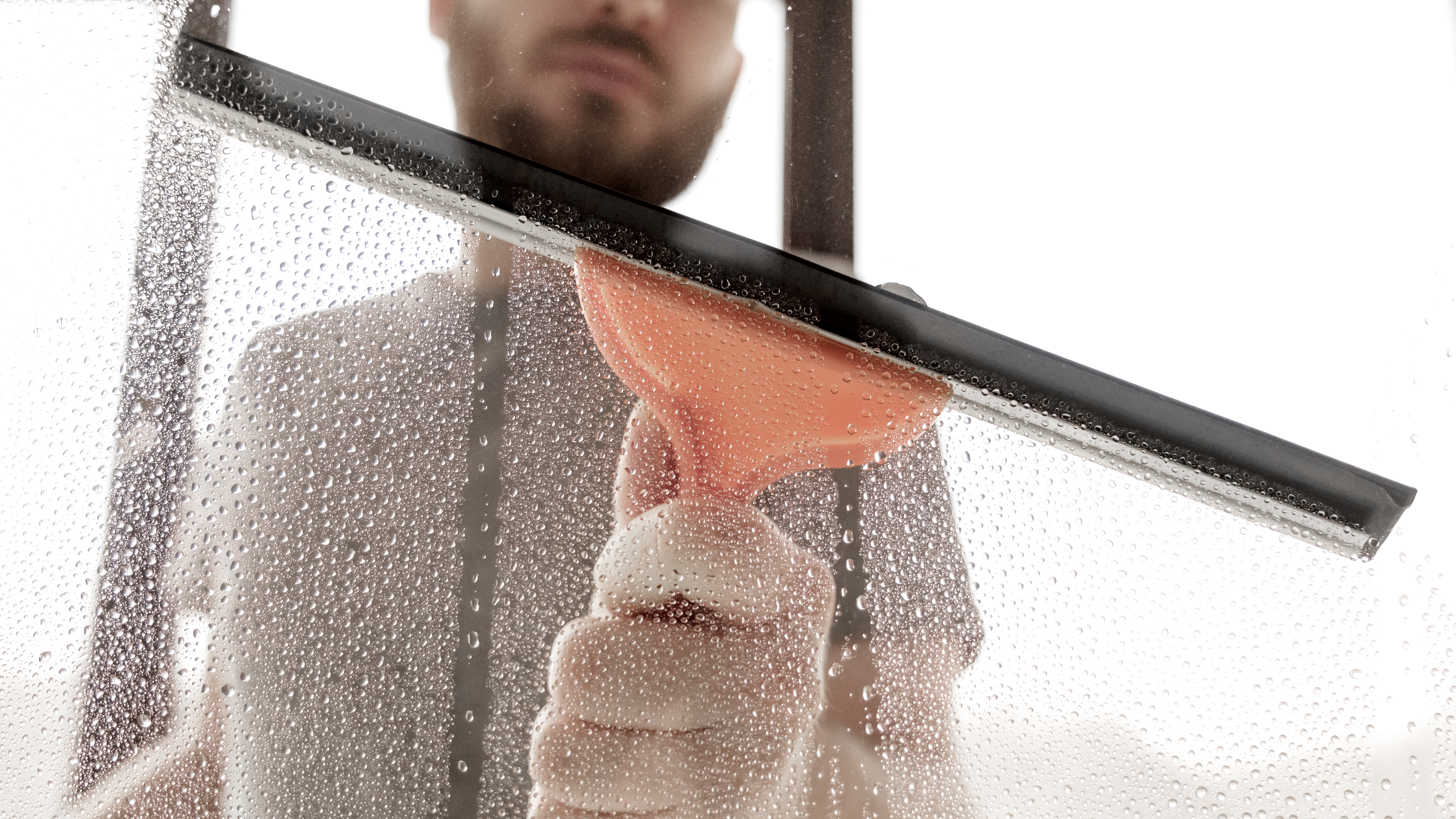
Step-by-Step Guide to Safe Screen Removal and Inspection
Before cleaning your screens, you need to remove them properly. Rushing this step can bend the frame or damage the mesh, which leads to gaps that let insects in—defeating the purpose entirely.
Step 1: Release the screen tabs or clips
Most window screens are held in place by small plastic tabs or spring-loaded clips located at the corners. Gently push these inward while lifting the bottom of the screen outward. For sliding screens, lift the panel slightly and swing the bottom out.
Step 2: Handle frames with care
Aluminum and vinyl frames dent and warp easily. Carry screens horizontally rather than vertically to distribute the weight evenly. Avoid resting them against sharp corners or rough surfaces.
Step 3: Inspect the mesh and frame
Lay each screen on a flat surface and inspect it carefully. Look for:
- Tears or holes in the mesh that could let insects through
- Bent or warped frames that won’t reseal properly
- Rust or corrosion, particularly on older aluminum frames
- Heavy staining or discoloration from hard water or oxidation
If the mesh is torn or the frame is significantly damaged, replacement is a better investment than cleaning. Continuing to use a compromised screen doesn’t protect your home and can actually worsen airflow by creating uneven pressure points.
The Best Cleaning Solutions: Natural vs. Commercial Cleaners
You don’t need a cabinet full of specialty products to clean your window screens effectively. The right solution depends on how dirty the screen is and whether you prefer eco-friendly options.
Natural Cleaning Solutions
For light to moderate dirt buildup, a simple mixture of warm water and a few drops of dish soap works exceptionally well. The mild surfactant breaks down grease and dust without degrading the mesh material. For screens with mildew or stubborn staining, try a solution of equal parts white vinegar and water—vinegar’s acidity cuts through grime and acts as a natural disinfectant.
Baking soda can be added to either solution for extra scrubbing power on textured or heavily soiled frames. These options are non-toxic, safe for pets and children, and won’t damage surrounding paint or window seals.
Commercial Cleaning Solutions
For heavy-duty cleaning—especially if screens haven’t been touched in a year or more—a commercial all-purpose cleaner or a dedicated screen cleaning spray may be more effective. Look for products labeled safe for use on mesh or vinyl. Avoid bleach-based cleaners unless you’re dealing with severe mold, as bleach can weaken mesh fibers and corrode aluminum frames over time.
Whichever solution you choose, always test it on a small corner of the screen first to check for any adverse reactions before applying it across the full surface.

Detailed Cleaning Techniques: From Light Dusting to Deep Pressure Washing
The appropriate cleaning method depends on how long it’s been since your last clean and what kind of debris has accumulated.
Light Dusting (Monthly Maintenance)
For screens that are lightly dusty, a quick dry clean is all you need. Use a soft-bristled brush, a lint roller, or a handheld vacuum with a brush attachment to remove loose surface dust. Work from top to bottom using gentle strokes, and avoid pressing too hard on the mesh. This takes less than five minutes per screen and prevents heavier buildup from forming.
Standard Wet Clean (Every 3–6 Months)
Remove the screen and lay it flat on a clean tarp or deck surface. Apply your cleaning solution using a soft sponge or microfiber cloth, scrubbing gently in circular motions across the mesh. Pay extra attention to the frame corners, where dirt tends to pack in. Rinse thoroughly with a garden hose using a moderate, steady stream—avoid high pressure at this stage to prevent warping. Allow the screen to air dry completely before reinstalling.
Deep Pressure Washing (Annually or After Heavy Buildup)
For screens that are heavily soiled—coated in dried pollen, construction dust, or organic debris—a pressure washer can restore them quickly. Use the widest spray nozzle available (40-degree fan tip) and keep the nozzle at least 18 inches from the mesh to prevent tearing. Work in smooth, horizontal passes rather than holding the spray in one spot. After washing, inspect the mesh again for any damage caused by debris that may have been loosened during cleaning.
If you don’t own a pressure washer, most hardware stores offer short-term rentals, or you can hire a professional service to handle the deep clean for you.
Why Dan’s Window Cleaning Is the Expert Choice for Professional Maintenance
While DIY cleaning is perfectly manageable for routine upkeep, there are times when professional service makes more sense—particularly for multi-story homes, large properties, or screens that haven’t been cleaned in several years.
Dan’s Window Cleaning specializes in thorough, professional window and screen maintenance that goes beyond what most homeowners can achieve on their own. Their team has the right equipment, cleaning solutions, and expertise to clean screens safely at height, identify and repair minor damage before it becomes a costly replacement, and ensure your home’s ventilation is fully optimized.
Choosing a professional service like Dan’s Window Cleaning also saves time. A trained technician can clean an entire home’s worth of screens in a fraction of the time it would take most homeowners, with results that are consistent and thorough. For property managers, landlords, or anyone preparing a home for sale, professional screen cleaning adds visible appeal and ensures the home is presenting at its best.

Seasonal Maintenance Schedules to Keep Your Home Comfortable Year-Round
A consistent maintenance schedule prevents the heavy buildup that makes deep cleaning necessary in the first place. Here’s a practical approach across the four seasons:
Spring: This is the most important cleaning window of the year. Winter accumulates grime, and spring brings heavy pollen. Remove all screens, give them a thorough wet clean, and inspect for any winter damage. Reinstall before the warm weather fully arrives.
Summer: Perform a light dusting or quick brush clean monthly, particularly if you live near construction zones, busy roads, or areas with heavy tree cover. Pay attention to any screens near air conditioning units, as these attract the most debris.
Fall: Before the cooler months set in, do another full wet clean to remove accumulated summer dust, insect residue, and general outdoor debris. This is also a good time to consider whether any screens need replacement before being closed off for winter.
Winter: In colder climates where windows are kept shut, screens can be stored to prevent winter grime buildup. Store them flat or hang them vertically in a dry space, clearly labeled by window location to simplify spring reinstallation.
Clean Screens, Comfortable Living
The connection between clean window screens and indoor comfort is straightforward. Better airflow means lower energy costs, improved air quality, and a more pleasant living environment. The effort required is modest; the payoff is substantial.
For homeowners who want to stay on top of maintenance without the hassle, scheduling a professional service with Dan’s Window Cleaning is an easy and worthwhile investment. Whether it’s a seasonal deep clean or a full inspection and replacement, their team ensures your home is ventilated, protected, and looking its best.
Start with the tips in this guide, build a cleaning routine that fits your schedule, and don’t hesitate to bring in the experts when the job calls for it.
https://www.google.com/maps?cid=15329728092816842314